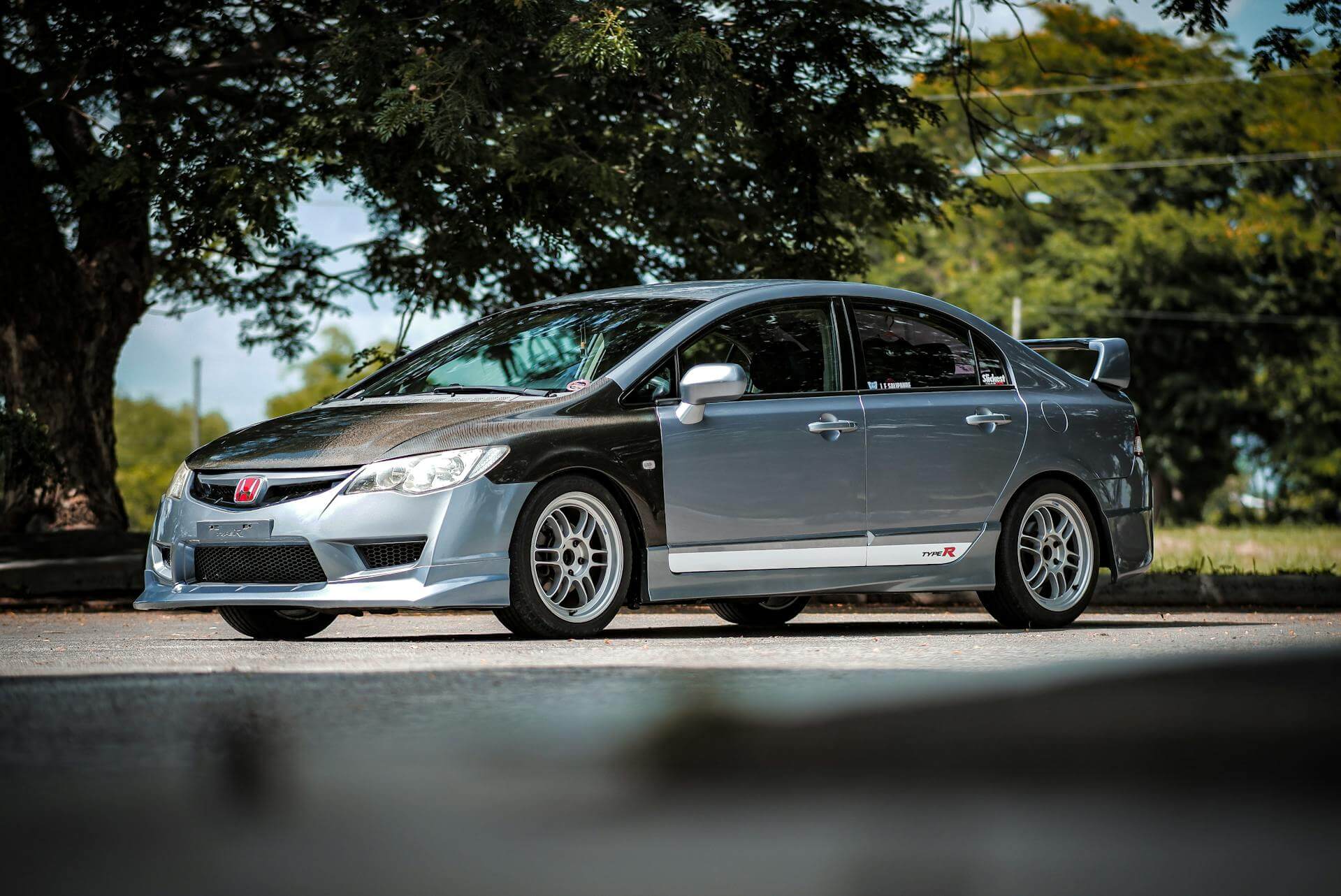

One of the biggest concerns drivers have before tuning their vehicle is whether remapping is actually safe for the engine.
It’s a fair question.
Modern vehicles are expensive, engines are highly complex, and nobody wants to risk reliability problems simply for a bit more performance. The internet is also full of conflicting information. Some people claim remapping is completely harmless, while others insist it destroys engines, clutches, and turbochargers overnight.
The truth sits somewhere in the middle.
A professionally developed remap on a healthy vehicle is generally very safe. In fact, modern ECU tuning has become extremely common across the UK because manufacturers often leave a significant amount of untapped performance hidden within the factory software.
However, like any modification, quality matters massively.
At Remaps Edinburgh, one of the biggest things we explain to customers is that good tuning and bad tuning are completely different things. A safe, professionally calibrated remap designed around realistic performance and reliability is worlds apart from an aggressive generic file uploaded by a cheap tuning provider chasing unrealistic dyno numbers.
Understanding that difference is the key to understanding whether remapping is safe for your engine.
What Does A Remap Actually Do?
Before discussing safety properly, it’s important to understand what a remap changes.
Modern vehicles are controlled by the ECU, also known as the Engine Control Unit. The ECU manages key engine functions including:
- Fuel delivery
- Turbo boost pressure
- Ignition timing
- Torque limits
- Air and fuel ratios
- Throttle response
Manufacturers intentionally configure these settings conservatively from the factory.
That’s because manufacturers must account for:
- Worldwide fuel quality differences
- Different climate conditions
- Reliability targets
- Emissions regulations
- Drivetrain limitations
- Marketing separation between models
A professional remap safely recalibrates those settings to unlock additional performance and improve drivability while remaining within sensible operating tolerances.
The engine itself is often capable of substantially more than the factory software allows.
Why Manufacturers Leave Performance Untapped
A lot of drivers assume manufacturers release engines already operating at their absolute limit.
That’s rarely true.
Many modern engines are shared across multiple models with different power outputs. The hardware is often extremely similar, with much of the difference coming from software calibration alone.
Manufacturers leave safety margins in place because they need vehicles to operate reliably across:
- Different countries
- Different fuel qualities
- Various climates
- Different maintenance standards
- High-mileage fleet conditions
This means many modern turbocharged engines have significant untapped potential within the factory calibration.
That’s why a properly developed Stage 1 remap can often deliver substantial gains without placing the engine under excessive stress.
Is A Stage 1 Remap Safe?
In most cases, yes.
A professionally developed Stage 1 remap on a healthy, well-maintained vehicle is generally very safe.
Stage 1 tuning is designed specifically for completely standard vehicles with no supporting hardware modifications required. The calibration remains within the limitations of the factory components.
A good Stage 1 remap should improve:
- Throttle response
- Torque delivery
- Acceleration
- Driveability
- Turbo response
while still maintaining smooth, refined engine operation.
For most modern turbocharged vehicles, Stage 1 tuning offers the best balance between performance and reliability.
What Actually Causes Problems After Remapping?
Most problems blamed on remapping are not caused by the concept of ECU tuning itself.
They’re usually caused by one of three things:
- Poor-quality tuning
- Existing mechanical problems
- Unrealistic performance goals
Cheap Generic Remaps
This is one of the biggest problems in the tuning industry.
Many cheap tuning providers use generic downloaded files with little or no consideration for the individual vehicle.
Poor-quality software often ignores:
- Turbocharger safety limits
- Exhaust gas temperatures
- Fueling safety
- Gearbox tolerances
- Heat management
This can lead to:
- Excessive boost pressure
- Turbo stress
- Clutch slip
- Excessive smoke
- Rough drivability
- Reliability issues
A professionally developed remap should feel smooth and refined, not aggressive and unstable.
Existing Mechanical Issues
A remap cannot magically fix underlying problems.
If the vehicle already has:
- Boost leaks
- Turbo wear
- Faulty injectors
- Ignition issues
- Clutch wear
- Cooling problems
then additional performance may expose those weaknesses more quickly.
This is why proper diagnostics before tuning are extremely important.
Unrealistic Tuning Goals
Trying to chase huge dyno numbers often creates unnecessary stress on engine and drivetrain components.
At Remaps Edinburgh, we prioritise safe, balanced calibration designed around real-world reliability rather than chasing unrealistic headline figures.
The fastest possible setup is not always the smartest setup.
Are Turbocharged Engines Safe To Remap?
Turbocharged engines are actually some of the best platforms for ECU tuning.
That’s because manufacturers usually leave substantial tuning potential within the factory turbo setup.
A professionally calibrated remap optimises:
- Boost delivery
- Fueling
- Torque management
- Throttle response
within safe operating limits.
Modern turbocharged petrol and diesel engines are specifically designed to operate under boost pressure already, which is why they generally respond so well to tuning.
However, turbo systems do naturally work harder after remapping, which makes maintenance more important long-term.
Is Diesel Remapping Safe?
Yes — when carried out properly.
Modern turbo diesel engines are some of the most popular remapping platforms because they respond extremely well to increased torque and improved drivability.
A professionally developed diesel remap can improve:
- Pulling power
- Fuel economy
- Motorway drivability
- Towing performance
- Throttle response
while remaining very reliable on healthy vehicles.
The key is avoiding aggressive smoke-heavy tuning or poor-quality generic files.
Can Remapping Damage Your Turbo?
A safe, professionally developed remap should not damage a healthy turbocharger.
However, aggressive tuning, poor calibration, or existing turbo wear can create problems.
Cheap remaps often increase boost pressure excessively without properly considering:
- Turbo efficiency
- Heat management
- Airflow limitations
This can accelerate wear over time.
A professionally developed remap should keep boost levels within sensible and safe limits for the turbo system.
What About The Clutch & Gearbox?
One of the most common weak points after remapping is the clutch — especially on manual diesel vehicles.
That’s because diesel remaps often introduce a large increase in low-end torque.
If the clutch was already worn before tuning, the extra torque may expose the weakness more quickly.
This doesn’t necessarily mean the remap “caused” the issue. In many cases, the clutch was already close to its limit beforehand.
Modern DSG and automatic gearboxes also have torque limits that need to be considered carefully during tuning.
Good calibration always takes drivetrain limitations into account.
Does Remapping Reduce Engine Life?
A safe remap on a healthy vehicle that’s maintained properly is unlikely to dramatically shorten engine life.
The biggest factors affecting reliability are usually:
- Maintenance quality
- Oil changes
- Driving habits
- Calibration quality
- Vehicle condition
Drivers who service their cars properly and avoid abusing them constantly generally experience excellent reliability from professionally remapped vehicles.
Neglected vehicles are far more likely to develop issues regardless of tuning.
Why Maintenance Matters More After A Remap
Once additional power and torque are introduced, maintenance becomes even more important.
We always recommend:
- Regular oil changes
- High-quality fuel
- Proper warm-up routines
- Letting turbocharged engines cool down
- Addressing warning lights early
- Using quality replacement parts
A well-maintained remapped vehicle is often extremely reliable long-term.
Is Stage 2 Remapping Safe?
Stage 2 tuning can still be very reliable when developed properly, but it naturally places more demand on the vehicle than Stage 1.
That’s because Stage 2 setups often involve:
- Higher boost pressure
- Increased airflow
- Supporting hardware upgrades
- More aggressive performance targets
At this level, the quality of both the hardware and software becomes even more important.
Cheap Stage 2 builds are one of the biggest causes of reliability issues within the tuning industry.
Is Stage 3 Tuning Safe?
Stage 3 tuning moves into much more serious performance territory.
At this level, vehicles are operating well beyond factory specifications and usually require:
- Turbo upgrades
- Fuel system upgrades
- Cooling improvements
- Drivetrain strengthening
A properly built Stage 3 setup can still be reliable, but maintenance, calibration quality, and hardware selection become absolutely critical.
Stage 3 tuning is generally aimed at enthusiasts who understand the additional demands involved.
The Difference Between Good Tuning & Bad Tuning
This is ultimately what determines whether remapping is safe.
Good tuning focuses on:
- Balance
- Reliability
- Smooth drivability
- Safe operating limits
- Real-world usability
Bad tuning focuses purely on:
- Maximum dyno numbers
- Aggressive boost pressure
- Cheap generic files
- Marketing claims
A properly developed remap should feel refined and effortless, not unstable or overly aggressive.
Why Drivers Choose Remaps Edinburgh
At Remaps Edinburgh, we provide professionally developed ECU remapping designed around safe, reliable real-world performance.
We understand that customers want stronger performance without sacrificing long-term reliability or drivability.
Drivers choose us because we prioritise:
- Safe calibration
- Honest advice
- Reliable performance
- Smooth drivability
- Professional equipment
- Real-world usability
- Quality-first tuning
Our goal is always to deliver tuning that genuinely improves the vehicle while maintaining the reliability and refinement drivers expect from modern cars.
So, Is Remapping Safe For Your Engine?
In most cases — yes, absolutely.
A professionally developed remap on a healthy, well-maintained vehicle is generally very safe and can completely transform the way the car drives.
Problems usually come from:
- Poor-quality tuning
- Cheap generic files
- Ignored maintenance
- Unrealistic performance goals
When tuning is approached properly, modern engines are often capable of handling significantly more performance than manufacturers allow from standard.
Looking For Safe ECU Remapping In Edinburgh?
If you’re considering ECU remapping in Edinburgh and want safe, professionally developed tuning designed around long-term reliability and real-world performance, Remaps Edinburgh can help.
Whether you’re looking for a refined Stage 1 remap, stronger diesel torque, or a more advanced performance setup, we provide professional ECU calibration tailored around smooth drivability, reliability, and safe performance gains.
Get A Quick Quote
Please provide your contact details here, and we’ll get back to you shortly with a personalised quote.